

I retired at 62 with a plan for every hour of my day, and by the third week I was sitting in a café at 9am watching people rush to work and wondering why I felt like the only person in the world with nowhere to be

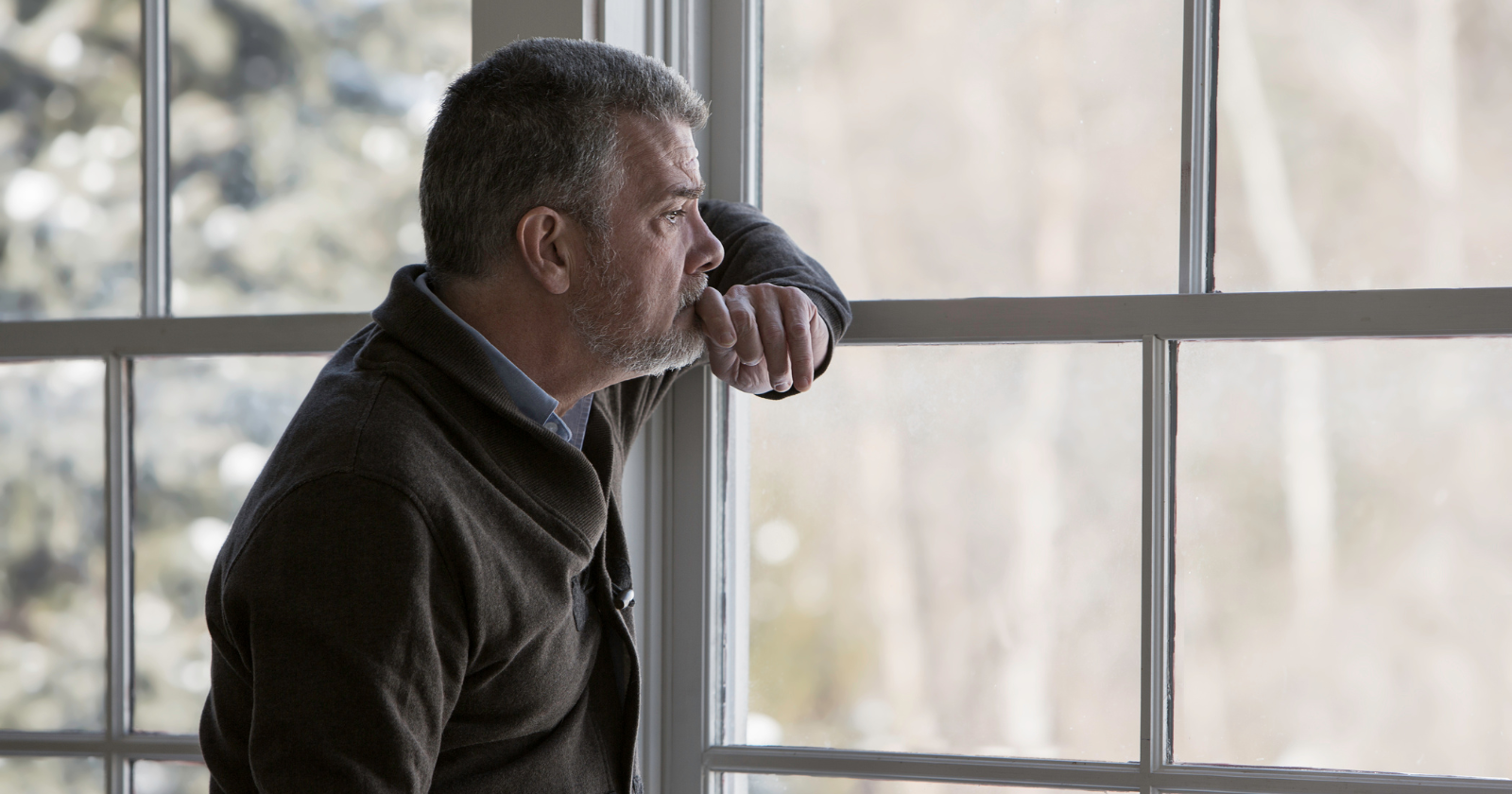

The smell of fresh espresso mixed with morning rain on concrete. That’s what hit me first as I sat in the corner booth of my neighborhood café, watching streams of people hurry past the window, umbrellas tilted against the drizzle, phones pressed to ears, coffee cups clutched like lifelines.
It was 9am on a Thursday, three weeks into my retirement at 62, and I was exactly where my color-coded schedule said I should be: “Morning Coffee & Reading Time.” But instead of the contentment I’d anticipated, I felt hollow. Like I’d shown up to a party that had already ended.
For more than 3 decades, I’d been one of those people rushing past café windows. Now I was on the other side of the glass, and the view was surprisingly unsettling.
The perfect retirement plan that wasn’t
You know what’s funny about retirement planning? We spend decades thinking about the money part but almost no time preparing for the emotional reality of it all.
I’d done everything right. Spreadsheets calculating my savings down to the penny. Lists of hobbies I’d pursue. A daily schedule blocked out in neat hourly chunks: 7am yoga, 8am breakfast, 9am coffee and reading, 10am woodworking project. I’d even bought a label maker to organize my new workshop.
But here’s what nobody tells you about having all the time in the world: it can feel eerily similar to having no time at all when none of it actually matters to anyone but you.
That morning in the café, watching a young woman juggle a laptop bag and a toddler while trying to answer her phone, I realized something. She looked stressed, sure, but she also looked needed. Important. Part of something.
Meanwhile, I could have sat in that booth until closing time and nobody would have noticed or cared.
When structure becomes a prison
Have you ever tried to force yourself to enjoy something because it was on your schedule?
That’s what my first month of retirement felt like. Wake up at 6:30am because that’s what productive people do. Exercise because health is important. Read the newspaper because staying informed matters. Work on hobbies because leisure time should be productive.
I was following my plan perfectly, checking off each hour like I used to check off quarterly reports. But somewhere between the mandatory morning walk and the scheduled afternoon gardening, I realized I’d simply traded one set of obligations for another. Except these new ones were entirely self-imposed and somehow even more suffocating.
The workshop I’d spent thousands setting up sat mostly unused. The Spanish lessons I’d enrolled in felt like homework. Even the books I’d saved for retirement suddenly seemed less appealing when I had unlimited time to read them.
The unexpected grief of leaving work behind
Nobody warned me I’d grieve my old life. Not the meetings or the commute or the office politics, but the rhythm of it all. The sense of being part of something bigger, even if that something was just processing insurance claims.
After the company downsized and offered early retirement packages, I’d jumped at the chance. Felt lucky, even. But three weeks in, sitting in that café, I understood why some retirees go back to work within six months.
It wasn’t about the money. It was about the identity.
For 35 years, I’d been “the guy.” The one who knew how to navigate complex claims, who younger colleagues came to for advice, who had a reserved parking spot and a favorite lunch spot and a role to play in the daily drama of office life.
Now I was just another retired guy with too much time and too little purpose.
Finding meaning in the void
Here’s where things started to shift for me. After that morning in the café, I went home and did something radical: I threw out my retirement schedule.
All of it. The color-coded time blocks, the mandatory activities, the forced productivity. Instead, I started asking myself a simple question each morning: What would make today feel meaningful?
Some days, that meant writing. Not because it was scheduled, but because I had something to say. Other days, it meant calling an old colleague just to chat, not because maintaining relationships was on my retirement checklist, but because I missed our conversations.
I recently came across this guide by life coach Jeanette Brown that really resonated with me. I’ve mentioned her new retirement guide in previous posts, but this particular quote keeps coming back to me: “These emotions are part of the growth process. This is the stage where reinvention begins—where your new life starts to take form, not from a fixed plan, but from following your curiosity and values.”
That perfectly captured what I was discovering. My carefully crafted retirement plan had been based on what I thought retirement should look like, not what actually brought me joy or purpose. It’s free if you want to check it out.
The weekly coffee revelation
My wife and I have a standing coffee date every week at our local café. We started it years ago when our schedules rarely aligned, and we’ve kept it going into retirement.
One day, about two months after that lonely morning watching the working world rush by, we were sitting in our usual spot when she said something that changed my perspective entirely.
“You know what I love about retirement?” she asked. “We’re not rushing to get anywhere. We’re already here.”
She was right. I’d been so focused on filling my time, on having somewhere to be, that I’d missed the gift of being present exactly where I was.
Redefining productivity in retirement
What makes a day worthwhile when you’re no longer producing quarterly reports or hitting sales targets?
This question haunted me those first few months. I’d been measuring my days by the same metrics I’d used for decades: tasks completed, goals achieved, measurable progress made.
But retirement demanded a different kind of accounting. Value wasn’t in the doing anymore; it was in the being. In the conversation with the barista who remembered my name. In the afternoon spent helping a neighbor fix his fence, not because it was scheduled but because I noticed he was struggling.
I started writing, not with deadlines or word counts in mind, but simply to process this strange new chapter. Some days I’d write for hours. Other days, not at all. The freedom to choose, once I truly embraced it, became liberating rather than paralyzing.
Final thoughts
That morning in the café, watching the world rush by, I thought I was the only person with nowhere to be.
Now I realize I had it backwards. I wasn’t nowhere; I was finally exactly where I needed to be.
It just took me a while to recognize that retirement isn’t about filling time or maintaining productivity. It’s about finally having the freedom to discover what actually matters when the world no longer tells you what should matter.
The irony? Once I stopped trying to schedule meaning into my days, it showed up on its own.