

Research suggests the reason some people can live the same day on repeat for years without distress while others feel like they’re suffocating isn’t personality. It’s whether the routine was chosen deliberately or inherited by default, because the brain processes voluntary repetition as ritual and involuntary repetition as captivity.

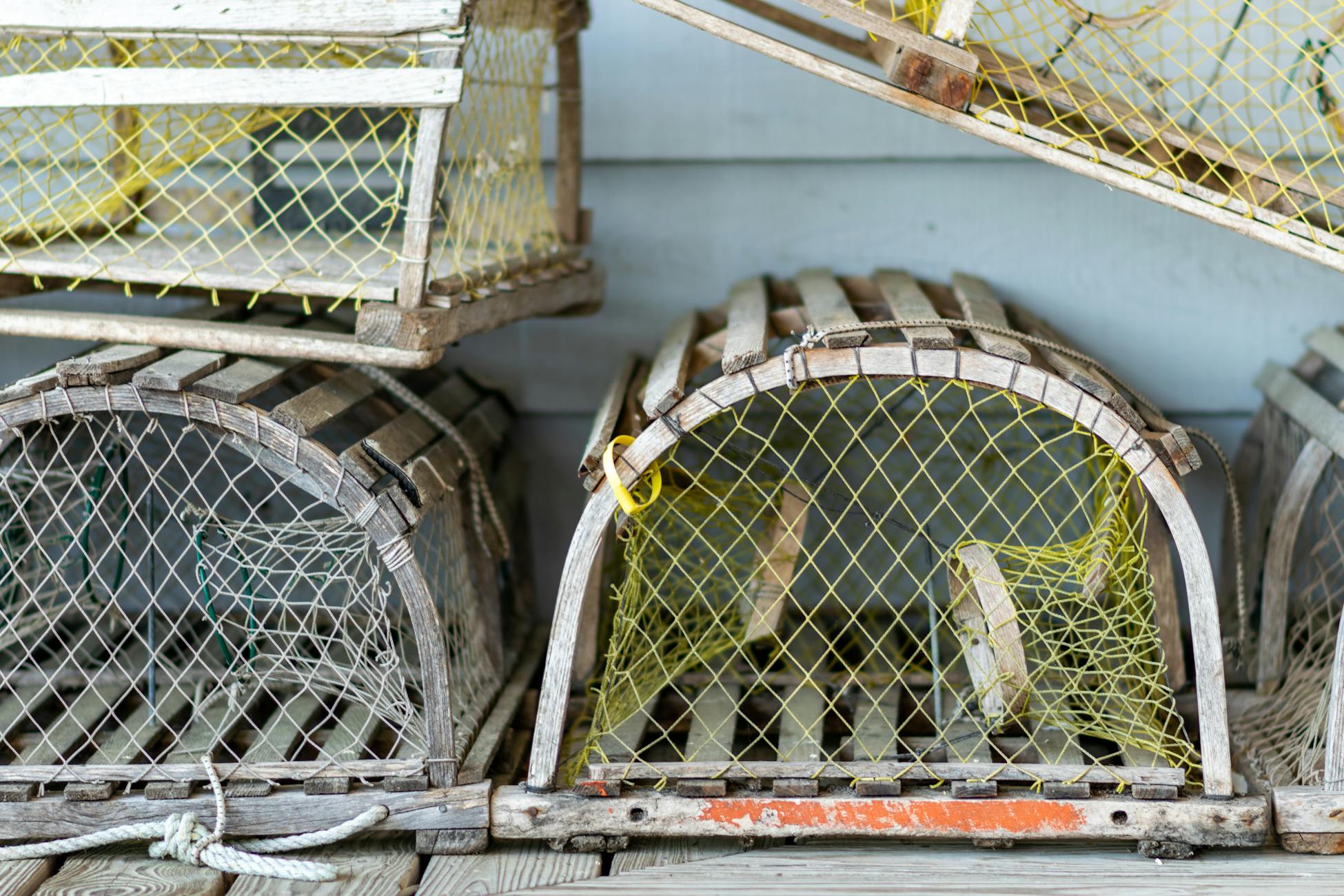

You’re standing in your kitchen, coffee dripping into the same mug you’ve used for three years, doing the same thing you did yesterday and the day before that and the ninety-seven days before that. Your neighbor across the street is doing something eerily similar. Same mug situation, same morning sequence, same general script. One of you feels grounded. The other feels like the walls are closing in. And here’s what’s strange: from the outside, the two lives look identical.
I’ve thought about this a lot lately. For years, I assumed the dividing line was temperament. Some people are wired for sameness, some crave novelty, and trying to fight your nature is a losing game. That felt tidy. It felt like it explained things. Turns out, it explains almost nothing.
The autonomy variable
Psychologists who study motivation have found that autonomy (the sense that you are the author of your own actions) fundamentally changes how the brain responds to experience. Self-determination theory, a framework developed by Edward Deci and Richard Ryan in the 1980s and refined over four decades of research, puts perceived choice at the center of human wellbeing. The same activity, repeated daily, can either energize you or erode you depending almost entirely on whether you experience it as self-directed.
A Psychology Today analysis explored exactly this paradox: how maintaining a strict routine can function as an act of freedom. The piece examined the daily rituals of writers, artists, and thinkers who chose extreme repetition deliberately, arguing that the structure became a container for creative autonomy rather than a cage. The key distinction was origin. When the routine was selected, curated, adjusted over time, it functioned as scaffolding. When it was inherited, defaulted into, or imposed by circumstances no one actively chose, it functioned as a straitjacket.
That distinction sounds subtle. It is not subtle. It is the whole thing.
Ritual versus captivity
I’ve written before about the strange cruelty of readiness with nowhere to go, that feeling of a body trained for urgency that no longer has a destination. What I didn’t fully understand then was how much the felt quality of repetition depends on perceived ownership.
Think about the person who wakes at 5:30 AM to meditate, walk, journal, and eat the same breakfast before sitting down to work they’ve organized around their values. Now think about the person who wakes at 5:30 AM because the commute demands it, eats what’s fast, arrives at a job that was supposed to be temporary eight years ago, and comes home too depleted to do anything but repeat the cycle. Both are living structurally repetitive lives. One experiences the repetition as ritual. The other experiences it as captivity.
The brain, it seems, is tracking the difference even when the conscious mind has stopped noticing.
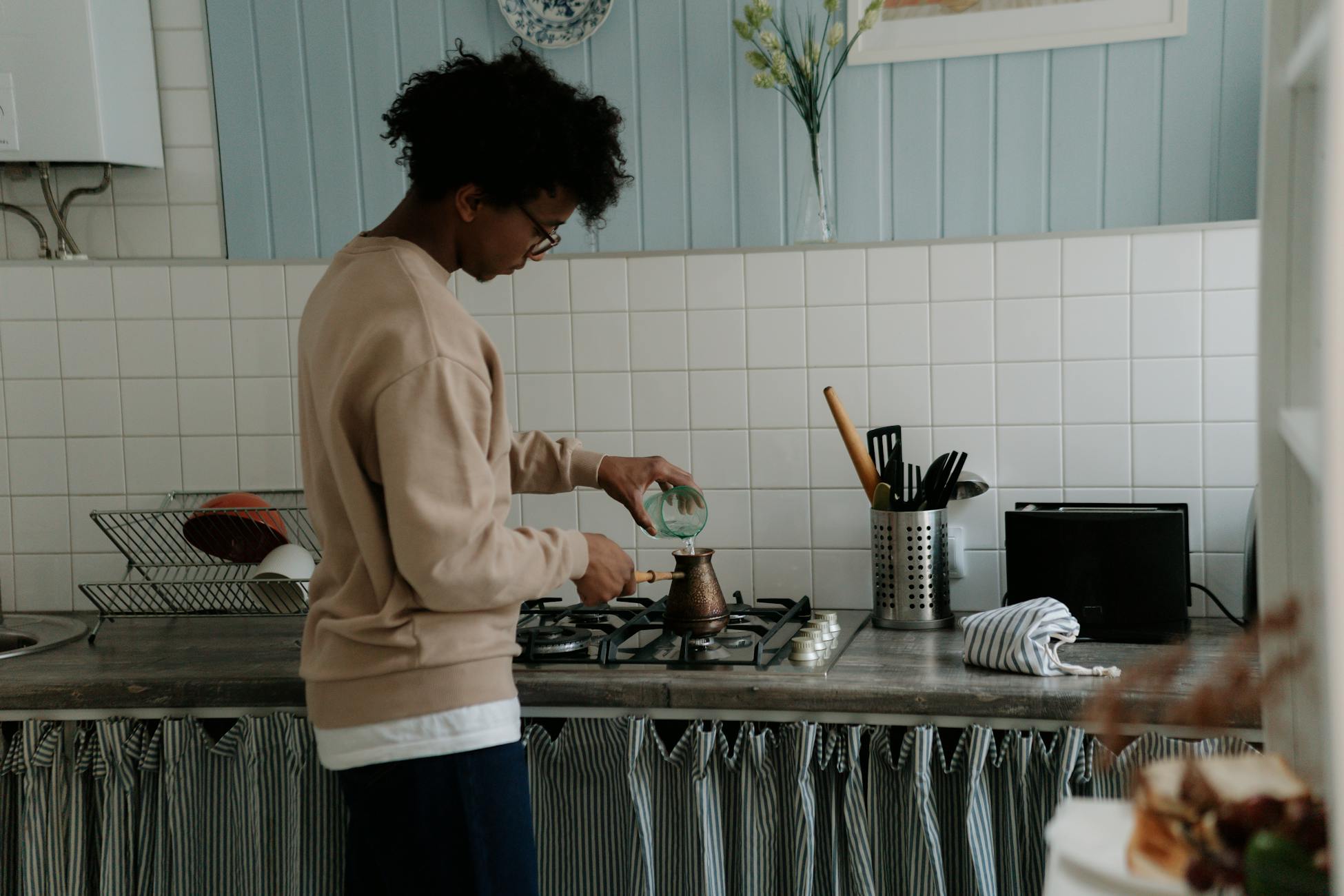
Research on autonomy in academic settings suggests that perceived autonomy may support persistence and achievement, while its absence may contribute to procrastination and burnout. The structure may be similar in both pathways. The variable is whether the person feels they have genuine choice within that structure.
The finding translates directly to adult life. Same routine. Radically different internal experience. And the trigger isn’t personality. It’s agency.
How default routines calcify
Here’s what nobody really warns you about: most routines aren’t chosen. They accumulate. You take a job because it’s available. You move somewhere because the rent works. You develop a morning sequence that serves logistics, not meaning. You adjust to your partner’s schedule, your kids’ school hours, your commute’s demands. And one day you look up and realize you’re living a life organized entirely around constraints you never consciously agreed to.
That realization, when it comes, can feel like being buried alive in a perfectly comfortable room.
I spent years in a version of this. The routine was fine. Objectively fine. Nothing was wrong, exactly. And that “nothing is wrong, exactly” is maybe the most disorienting experience a person can have, because it removes your permission to feel distressed. You end up performing contentment that looks right from the outside while something inside you is quietly screaming.
The problem with inherited routines is that they bypass the part of your brain that assigns meaning. When you choose a repetitive structure, you’re constantly reinforcing a narrative: I do this because it serves something I care about. When you default into one, that narrative never gets written. The repetition just… happens. And the brain, lacking a story to attach to the pattern, starts encoding it as confinement.
The suffocation threshold
There’s something worth examining here about why some people hit their limit at year two and others at year twenty. I think the delay correlates with how many micro-choices someone still has within the larger pattern. A person stuck in a job they didn’t choose but who gets to select their own lunch spot, take a different route home, and spend evenings however they want is still exercising fragments of autonomy. Those fragments buy time. They act like pressure-release valves.
But when external control intensifies (a controlling boss, financial constraints that eliminate options, health problems that narrow the world), the last pockets of choice collapse. And that’s when the suffocation hits hard, all at once, and often out of proportion to what appears to be happening.
A study from the University of Surrey found that controlling coaching styles disrupted athletes’ wellbeing, leaving them vulnerable to both physical and psychological strain. The athletes weren’t distressed by hard training or repetitive drills. They were distressed by the removal of autonomy within those drills. The moment coaching shifted from guidance to control, the same activity that had previously felt purposeful became something the body and mind started to resist.
The parallel to daily life is direct. Routine doesn’t break people. Choicelessness within routine breaks people.
The personality myth
We love personality-based explanations because they let us off the hook. If some people are “just built for routine” and others are “just adventurous types,” then the person suffocating in their repetitive life simply has the wrong temperament for it. They should shake things up. Travel. Change careers. Get a hobby.
But that advice misses the point entirely. The person isn’t suffering because they need novelty. They’re suffering because the repetition they’re living inside doesn’t belong to them. And the fix isn’t necessarily dramatic change. It’s reclamation.
There’s a concept in psychology around perceived autonomy, and it doesn’t require blowing up your life. Sometimes it looks like rearranging the same elements in a slightly different order, one you selected. Sometimes it looks like dropping a single obligation that was never yours in the first place. Sometimes it means waking up fifteen minutes earlier than you need to, just so the first moments of the day belong to you and no one else.
That sounds small. It can be enormous.
I’ve noticed something similar in how people talk about exhaustion after family dinners: the fatigue doesn’t come from the people or the food. It comes from falling into roles no one chose consciously but everyone maintains by default. The repetition of family patterns, unexamined and unchosen, activates the same mechanism. Inherited scripts, running on autopilot, draining everyone at the table.
Choosing what’s already there
Here’s the part that took me a long time to understand: you can retroactively choose a routine you originally fell into. The act of conscious re-selection changes the psychological experience even when the behavior stays identical.
A therapist once told me something that sounded absurd at first. She said, “Tomorrow morning, do everything exactly the same. But before each thing, pause for two seconds and say to yourself, I’m choosing this.” Same coffee. Same mug. Same walk. But with a half-second of deliberate framing before each step.
I tried it. It felt ridiculous. It also felt noticeably different by day three. The routine hadn’t changed. My relationship to it had. The repetition started to feel less like something happening to me and more like something I was doing on purpose, which, honestly, is a strange amount of relief to get from two seconds of internal narration.
This isn’t a hack. It doesn’t fix structural problems. If you’re trapped in a genuinely bad situation, positive self-talk about your morning coffee won’t liberate you. But for the millions of people whose routines are adequate, functional, even comfortable, yet somehow still feel like slow suffocation, the problem often lives at the level of control and its absence.
Some people can live the same day for decades and feel at peace. Others feel like they’re drowning in a life that looks perfectly fine. The difference isn’t who they are. It’s whether the repetition was authored or absorbed. Whether the routine was written by them, or written around them while they were too busy surviving to notice.
And maybe the first step toward breathing again is simply recognizing which one you’re living. Because once you see that clearly, the same day can start to feel like a completely different life.