
An editing house. An editorial publication.
Professional editors. Considered writing on the craft.
Global English Editing is a working editing practice with a growing editorial blog on language, communication, and the reader's mind. Founded in 2014.
Editorial work featured in
- Business Insider
- The Australian Financial Review
- BRW
- Writer's Digest
- Lifehacker
- Lifehack
Students & Academics
Theses, dissertations, journal articles, essays. PhD- and Masters-level editors.
→
Authors & Publishers
Book editing, proofreading, manuscript evaluation. Professional book editors.
→
Businesses & Professionals
Confidential business editing and proofreading. Fast turnarounds, professional results.
→Editorial
Writing on the craft of language, communication, and the reader’s mind. From the editing team.

Real confidence rarely needs to announce itself: it shows up as stillness under pressure, a level voice when everyone else in the room is raising theirs, a willingness to let silence sit for a few extra seconds, and no need to perform for an audience that was never really watching
The people who command rooms aren't necessarily the loudest—they're the ones comfortable enough to let others speak.

A survey of 2,000 women over 45 commissioned by the herbal remedy brand A. Vogel found that more than two-thirds felt completely ignored by men the moment they walked into a crowded room, and 46 percent said no one around them seemed to understand what that shift actually felt like

Received Pronunciation, the accent linguists still nickname the Queen's English, took shape inside a handful of England's most expensive private schools, and it remains such a reliable marker of that background that a stranger can often place someone's education within a single sentence.

What a glass of wine at 8pm actually does for a writer — and what it doesn't

Someone who skips the seasonal décor every year may not be indifferent to the holiday itself, they may simply be opting out of a display aimed more at whoever walks past than at anyone who actually lives there.

Greif and Gleason's 1980 research on how children learn politeness routines found that young children almost never say "please" or "thank you" spontaneously, they say it because a parent prompts them with "what do you say?" dozens of times a week, meaning the reflex adults later display without thinking twice was built through years of someone else's prompting long before it became automatic.
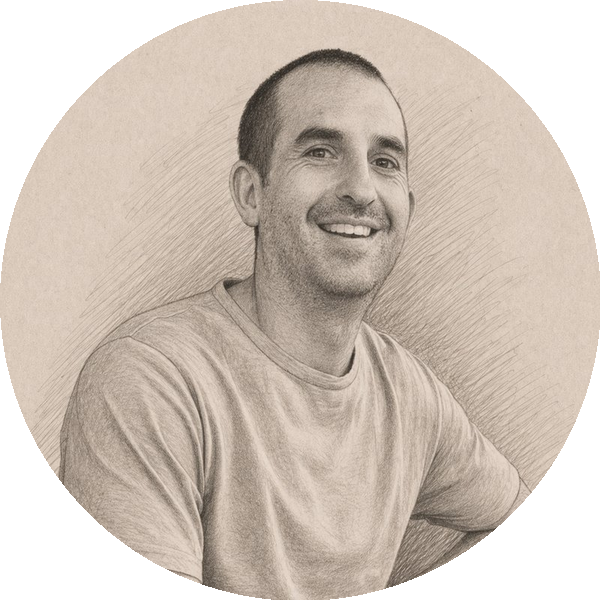
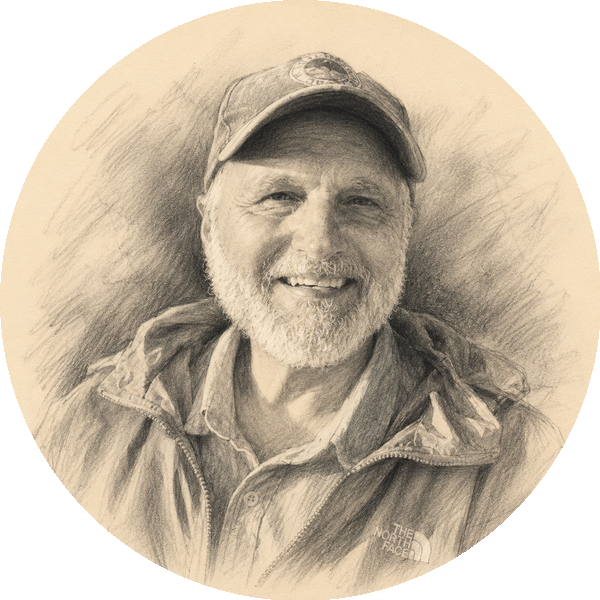
Meet the editors
The people below set direction, write and review for GE Editing, and stand behind the standards on this site.
Editors with credentials
Our editors hold PhDs and Masters across academic and book editing. Each piece is reviewed by an editor with subject-matter fit.
Affordable rates
Online-first operation lets us offer professional editing at a fraction of traditional agency rates without compromising quality.
Short turnarounds
Same-day and next-day delivery available on most jobs. Tight deadlines welcomed.