

I wake up at 5 AM, meditate, write for ninety minutes, and don’t check my phone until the work that matters is done – and the discipline isn’t natural, it’s the result of spending my entire twenties doing the opposite and watching everything fall apart

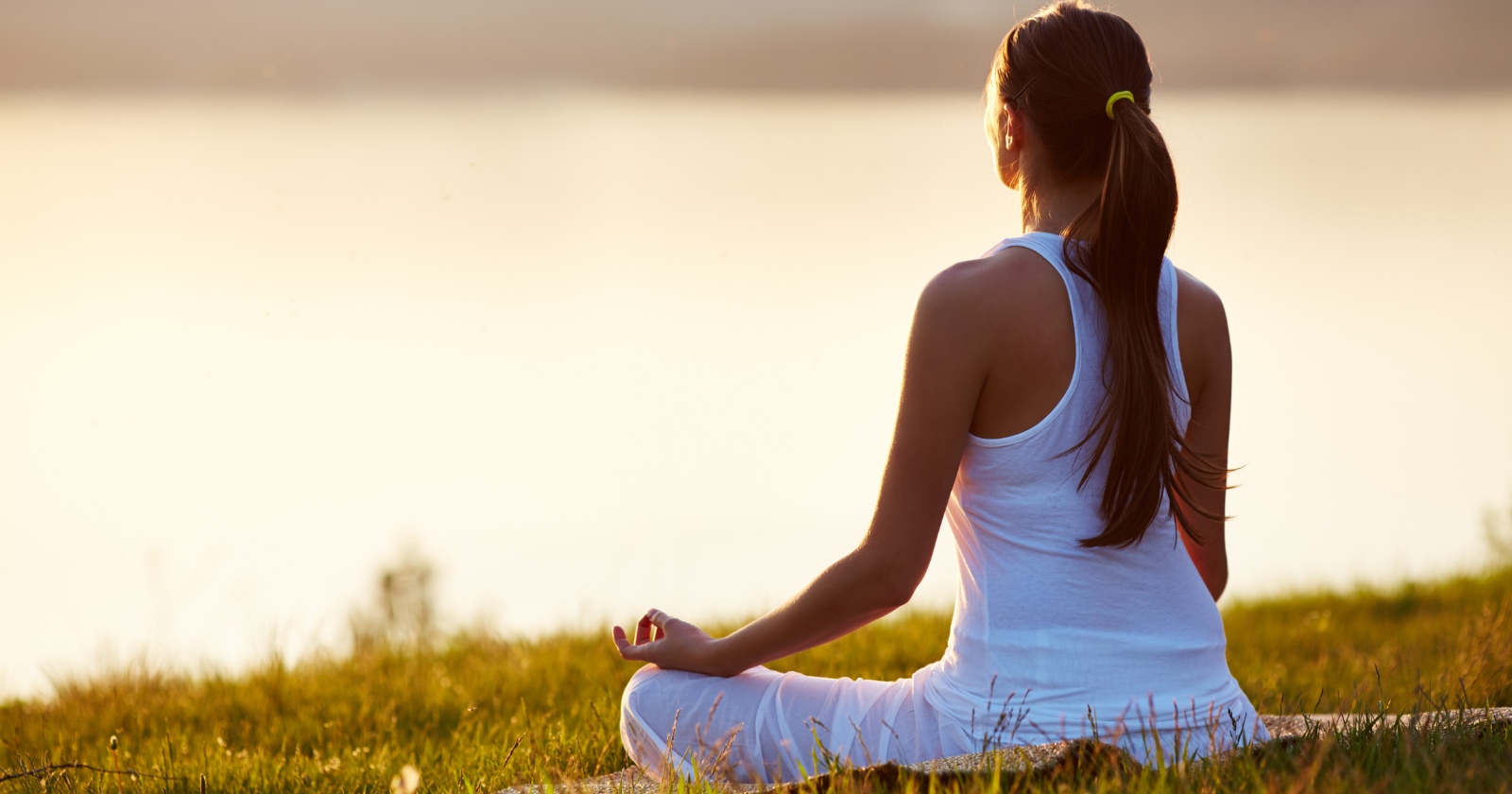

I wake up at 5 AM. I meditate. I write for ninety minutes before I check a single message. I drink one strong black coffee and I don’t look at my phone until the work that matters is done.
People hear that and assume I’m naturally disciplined. That I’ve always been this way. That somewhere in my DNA there’s a gene for getting up before the sun and sitting quietly on a cushion while the rest of Saigon is still asleep.
I wasn’t. I’m not. The discipline isn’t a personality trait. It’s scar tissue.
Because I spent my entire twenties doing the exact opposite of everything I just described – and I watched, slowly and then all at once, everything fall apart.
What my twenties actually looked like
I graduated from Deakin University with a psychology degree and immediately took a job in a warehouse shifting televisions. Not because I chose it strategically. Because I had no plan, no direction, and no idea what to do with a degree that had taught me how other people’s minds worked while leaving mine completely unexamined.
My mornings in my twenties looked like this: wake up whenever. Check my phone immediately – emails, social media, news, whatever would fill the void between opening my eyes and having to face the day. Skip breakfast or eat something terrible. Rush to wherever I needed to be, already behind, already reactive, already starting the day from a position of deficit.
There was no meditation. No writing practice. No intentional anything. My mornings were a series of reactions to whatever the world threw at me first, and by 10 AM I’d already given the best of my energy to other people’s agendas.
And I was anxious. Deeply, persistently anxious in a way that coloured everything – my work, my relationships, my ability to sit still for more than five minutes without feeling like I should be doing something else. The anxiety wasn’t caused by my chaotic mornings, exactly. But the chaotic mornings made sure it never had anywhere to land. I was always running. Never arriving.
The thing I got backwards about discipline
Here’s what I believed for most of my twenties: discipline meant forcing yourself to do hard things. It meant willpower. It meant gritting your teeth and pushing through resistance every single morning like some kind of emotional athlete.
That belief kept me stuck for years. Because willpower, as it turns out, is a terrible foundation for anything lasting. It’s finite. It depletes. And the mornings where you most need discipline – the ones where you’re tired, or sad, or anxious, or questioning everything – are the mornings where willpower is already at zero.
The shift happened when I was living in Southeast Asia, reading a battered copy of a book by the Buddhist teacher Thich Nhat Hanh. He wrote something I’d probably read a dozen times before but hadn’t understood: “The miracle is not to walk on water. The miracle is to walk on the green earth, dwelling deeply in the present moment and feeling truly alive.”
And I thought: I’ve been trying to walk on water every morning. I’ve been trying to be extraordinary first thing in the day. No wonder I keep drowning.
What if discipline isn’t about forcing yourself to do hard things? What if it’s about making the right things so small, so simple, and so repeatable that they stop feeling hard at all?
How I actually built the morning
I didn’t build my morning routine in a week. I built it over years, in the most unglamorous way possible. One small thing at a time, failing repeatedly, adjusting constantly.
The meditation came first. Not thirty minutes on a cushion in a monastery. Five minutes. Sitting on the floor of a rented room in Southeast Asia, eyes closed, mind racing, convinced I was doing it wrong. I did those five minutes every morning for weeks before I felt anything resembling calm. Most mornings I just sat there with my anxiety, breathing around it, wondering what the point was.
The point, I eventually understood, was the sitting itself. Not the result. The act. The showing up. There’s a concept in Buddhism called shikantaza – “just sitting.” Not sitting to achieve enlightenment. Not sitting to reduce anxiety. Just sitting. The practice is the point. When I finally stopped meditating for something and started meditating as something – as a way of being present rather than a tool for self-improvement – everything changed.
Some days now it’s five minutes. Some days it’s thirty. The length doesn’t matter. What matters is that I do it before anything else enters my field. Before the phone. Before the emails. Before the world gets a vote on what my day looks like.
The writing came next. When I started Hack Spirit in 2016, I wrote whenever I could – evenings, weekends, stolen hours between other obligations. The quality was inconsistent because the timing was inconsistent. I was always writing with the remnants of my attention, never the whole thing.
So I moved it to first thing. 5 AM to 6:30 AM. Ninety minutes of writing before I open a single tab, respond to a single message, or engage with a single human being. My wife understands this. My brothers Justin and Brendan, who I co-founded Brown Brothers Media with, understand this. The mornings are mine. Not selfishly – necessarily. Because the person I am at 5 AM, before the world has diluted my attention, is the clearest version of myself I have access to.
The coffee is non-negotiable but simple. One strong black coffee, made slowly, drunk without multitasking. Not while scrolling. Not while standing at the counter planning my day. Just coffee. Just taste. Just that.
And the phone stays face-down until the writing is done. This was the hardest habit to build and the most transformative. Because the phone is where other people’s urgencies live, and the moment you pick it up, your morning belongs to them.
What the routine actually gives me
I want to be clear about something: my morning routine didn’t make me successful. That’s the narrative people want – “I woke up at 5 AM and built a media company” – but it’s not the truth. The media company came from years of work, a lot of failure, imposter syndrome that still visits regularly, and two brothers who believed in the idea when I wasn’t sure I did.
What the morning routine gave me was something more fundamental than success. It gave me a foundation.
Every morning, before the chaos starts, I know who I am. I’m the person who sits. Who writes. Who drinks coffee slowly. Who doesn’t hand the first hour of his day to an algorithm. That sounds small. It is small. But when you’ve spent years feeling anxious, lost, and reactive – when your twenties were a blur of starting the day in someone else’s current and ending it exhausted without knowing why – small and stable feels like solid ground.
There’s a Buddhist teaching I come back to constantly: small daily practices beat grand transformations. Always. Every time. The person who meditates for five minutes a day for ten years will be fundamentally different from the person who does a ten-day silent retreat once and then goes back to scrolling in bed. Not because the retreat wasn’t valuable. Because consistency reshapes you in a way that intensity can’t.
My morning is consistent. That’s it. That’s the whole thing. No cold plunges. No journaling for an hour. No gratitude lists or visualization exercises or motivational podcasts. Just: sit, write, coffee, then the day can begin.
What I’d tell the person who can’t seem to start
If you’ve tried to build a morning routine and failed – if you’ve bought the books, set the alarms, lasted three days, and gone back to checking your phone in bed – I want to tell you what I wish someone had told me.
You don’t need a morning routine. You need a morning anchor. One thing. Not seven things. Not a two-hour protocol. One thing that you do first, every day, before the world gets in.
Maybe it’s five minutes of silence. Maybe it’s a walk around the block. Maybe it’s writing three sentences in a notebook. Maybe it’s making tea and drinking it without looking at a screen. It doesn’t matter what it is. It matters that it’s yours, that it’s first, and that you do it whether you feel like it or not.
I ride my bike through Saigon traffic most mornings after the writing is done. Motorbikes everywhere, street vendors setting up, the city waking around me. It’s chaotic and beautiful and the opposite of my quiet morning. But by the time I’m in that traffic, I’ve already done the thing that matters. I’ve already been the person I want to be. The rest of the day can be messy. The foundation is laid.
I’m not a disciplined person. I’m a person who built one disciplined hour and let it hold the rest of the day together. That’s not the same thing. And it’s available to anyone.
Start tomorrow. Start with five minutes. Start badly. And when you miss a day – because you will – start again without guilt. The miracle isn’t perfection. The miracle is the return.
