

7 things every Uber driver secretly judges about you immediately

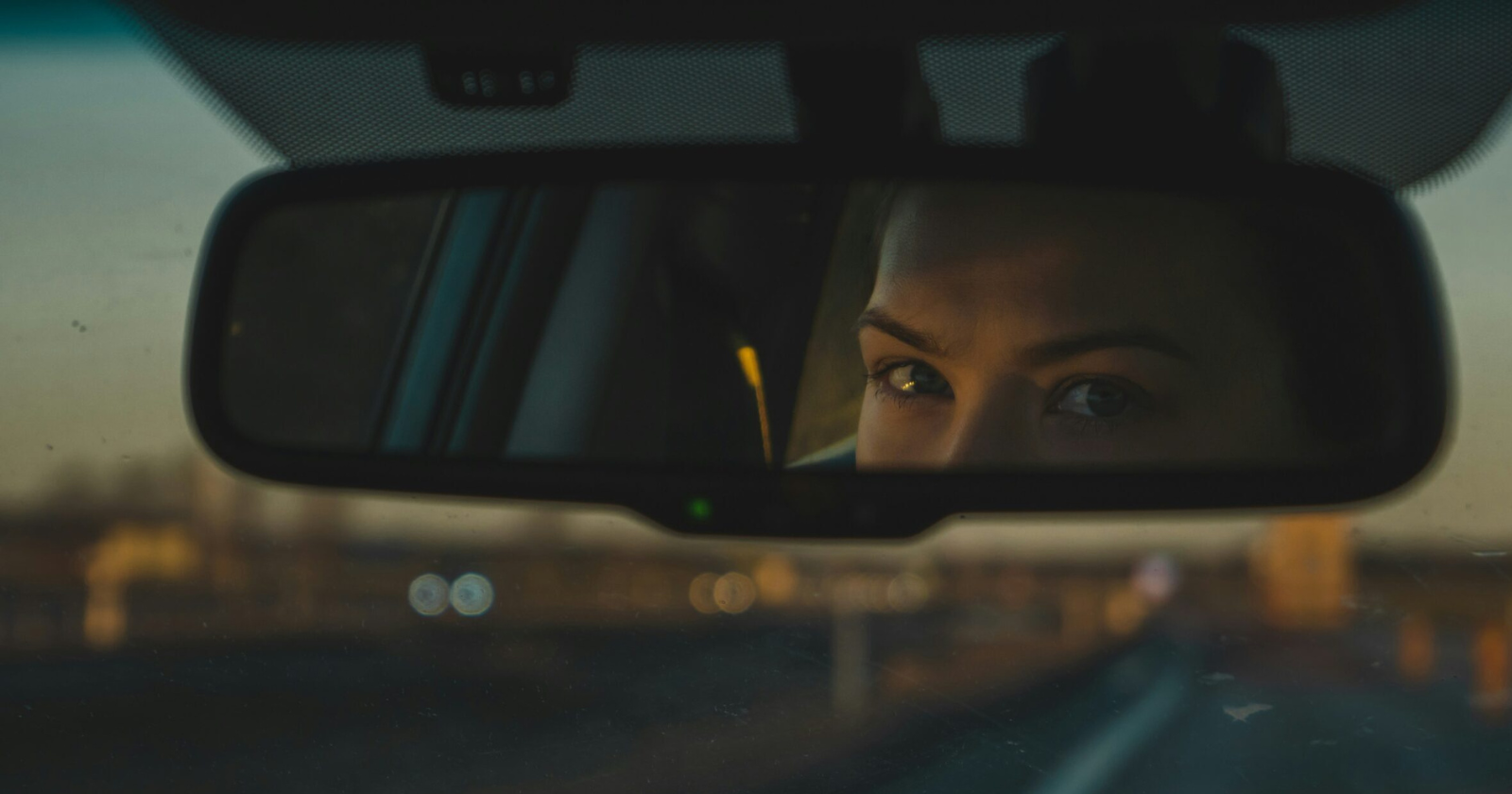

The Uber arrives, you slide into the backseat, mumble a greeting, and stare at your phone. Transaction complete. Except for the driver, those minutes are a masterclass in human observation. They’re not just navigating traffic—they’re reading you like a book you didn’t know you’d opened.
After talking with dozens of drivers, a pattern emerges. It’s not about judging you (mostly). It’s about survival in the gig economy—quickly assessing who might tip, who might cause problems, who might leave a bad rating that threatens their income. Every ride is a calculation, and you’re providing all the data within seconds.
1. How you treat them in the first three seconds
Before you’ve even buckled your seatbelt, they’ve categorized you. Did you acknowledge them as a human being or just confirm their name like checking an order number? Did you say “Hi, how’s your night?” or immediately start barking directions? That initial interaction sets the entire tone—and determines their strategy for the ride.
Drivers develop an almost supernatural ability to detect who sees them as people versus who sees them as part of the app. The passenger who makes eye contact and uses their name? They’re getting conversation if they want it, silence if they prefer, maybe even a phone charger offered without asking. The one who gets in while on a call and points vaguely forward? They’re getting exactly what they’re paying for—a ride from A to B.
One driver told me he can predict with 90% accuracy who will tip based solely on whether they say “please” when asking to adjust the temperature. It’s not about politeness exactly—it’s about whether you recognize there’s another person in this transaction.
2. Your pickup location tells them everything about your night
Standing outside the bar at 2 AM versus 11 PM tells different stories. Being picked up from a suburban house versus a downtown hotel suggests different lives. Urgent care versus the emergency room entrance indicates different levels of crisis. They know.
Drivers become anthropologists of location patterns. That restaurant pickup ending at an address different from where you started? They’ve seen this date before. The 6 AM airport run from an address that isn’t yours, emerging disheveled in yesterday’s clothes? No judgment, but they know. The divorce attorney’s office to the liquor store? They’re turning the music up and the conversation down.
They notice whether you’re standing exactly at the pin or make them circle the block three times. Whether you’re outside waiting or emerge only after they’ve texted twice. These aren’t just logistical details—they’re personality tests administered through GPS.
3. Your phone behavior reveals your entire emotional state
You think you’re just scrolling, but they’re watching in the rearview as your face cycles through emotions lit by screen glow. The aggressive texting with sharp finger jabs? They’re preparing for you to take that anger out on the route. The frantic app-switching? You’re anxious, might change destinations last minute. The person who immediately puts their phone down and looks out the window? Either completely at peace or completely in crisis—no middle ground.
They know when you’re doom-scrolling versus actually reading, texting an ex versus a friend, checking work emails that spike your blood pressure. One driver started keeping tissues in back after noticing how many people cry while looking at their phones, thinking they’re invisible in darkness.
The real tell is what happens when you lose service. The passenger who panics reveals dependency; the one who seems relieved reveals exhaustion. Both get remembered.
4. How you smell tells them where you’ve been and where you’re going
It’s not just about whether you smell good or bad—it’s about the story your scent tells. Weed, obviously. Alcohol, certainly. But also: hospital disinfectant, fresh dry cleaning, yesterday’s clothes, too much cologne applied in the last five minutes, the distinct smell of someone who’s been crying.
Drivers develop an olfactory map of their city. The particular combination of craft beer and wood smoke that means you were at that one brewery. The specific vape flavor that’s popular with college kids this month. The perfume that costs more than they make in a week. The smell of kitchen grease that means you just got off a restaurant shift, like they did before they started driving.
They notice when someone’s trying to cover something up—the Uber mints consumed frantically, the window cracked despite the cold, the air freshener you think is subtle but isn’t. Every scent is a clue, and they’re solving the puzzle of your evening through their nose.
5. Your conversation choices are a social credit score
Do you ask about their day and actually listen to the answer? Strike up conversation about the music playing? Comment on the weather? Or do you immediately launch into a phone call about your personal drama, treating the car like your private office? They’re scoring you, and that score determines everything from route choices to whether they’ll wait when you say “I’ll be right back.”
The most revealing: how you handle their attempts at conversation. The passenger who gives one-word answers isn’t just unfriendly—they’re probably going to ding the rating for any minor inconvenience. The one who asks follow-up questions about their other job or family? They’re getting the good route, the phone charger, maybe even a warning about the speed trap ahead.
Drivers particularly notice conversation boundaries. The passenger who trauma-dumps about their divorce within thirty seconds? Red flag. The one who asks increasingly personal questions about their income? Different red flag. Both extremes suggest someone who doesn’t understand social contracts.
6. Your rating anxiety gives you away
They can tell who’s worried about their passenger rating and who doesn’t know it exists. The nervous over-explainer who justifies route choices, confirms destinations three times, apologizes for traffic they didn’t cause? That’s someone who’s been threatened with deactivation. The person demanding specific routes, complaining about temperature, slamming doors? They either have a perfect 5.0 or have never checked.
Rating system anxiety manifests in tiny ways. The sudden friendliness as rides end. The panic when you can’t find the door handle. The awkward “Five stars, right?” fishing everyone pretends isn’t happening. They see you calculating whether this ride was five-star worthy, while doing the same calculation about you.
One driver said the passengers who announce “I always give five stars!” are the ones most likely to give four. The truly generous raters never mention it—they just treat every ride like it involves another human trying to make a living.
7. Your exit tells them who you really are
The door slam. Every driver mentioned it. It’s the final punctuation mark on your character, and it’s binary: you respect their property or you don’t. The person who closes it gently even when drunk? Raised right. The one who slams it after a perfectly pleasant ride? Everything else was performance.
But it’s beyond the door. Do you leave trash? Check for belongings? Say thank you? The exit is when masks drop, when the transaction feels complete and you think you’re already gone. But they’re watching, noting whether you waited for them to pull away safely or vanished into your building.
Most telling: what happens when something goes wrong. When you realize you left your phone, when payment fails, when you need to change destinations last minute. Grace under minor pressure reveals character.
Final thoughts
Uber drivers aren’t just navigating cities—they’re navigating an endless stream of human behavior, developing sophisticated passenger taxonomies as survival mechanisms. Every ride is a three-to-sixty-minute sociology experiment where they’re both researcher and subject.
What’s fascinating isn’t that they notice these things, but why they must. In a service economy where one bad rating threatens livelihood, hypervigilance becomes job requirement. They’re reading you because they have to—your mood determines their rating, your personality affects their tip, your behavior influences their safety.
The revelation: we think we’re anonymous in these interactions, just another ride in an endless shift. But we’re not. We’re seen, assessed, remembered—sometimes more clearly than by people who know us well. In the strange intimacy of a stranger’s car, traveling through darkness, we reveal ourselves in ways we’d never consciously choose. The driver notices. They always do.