

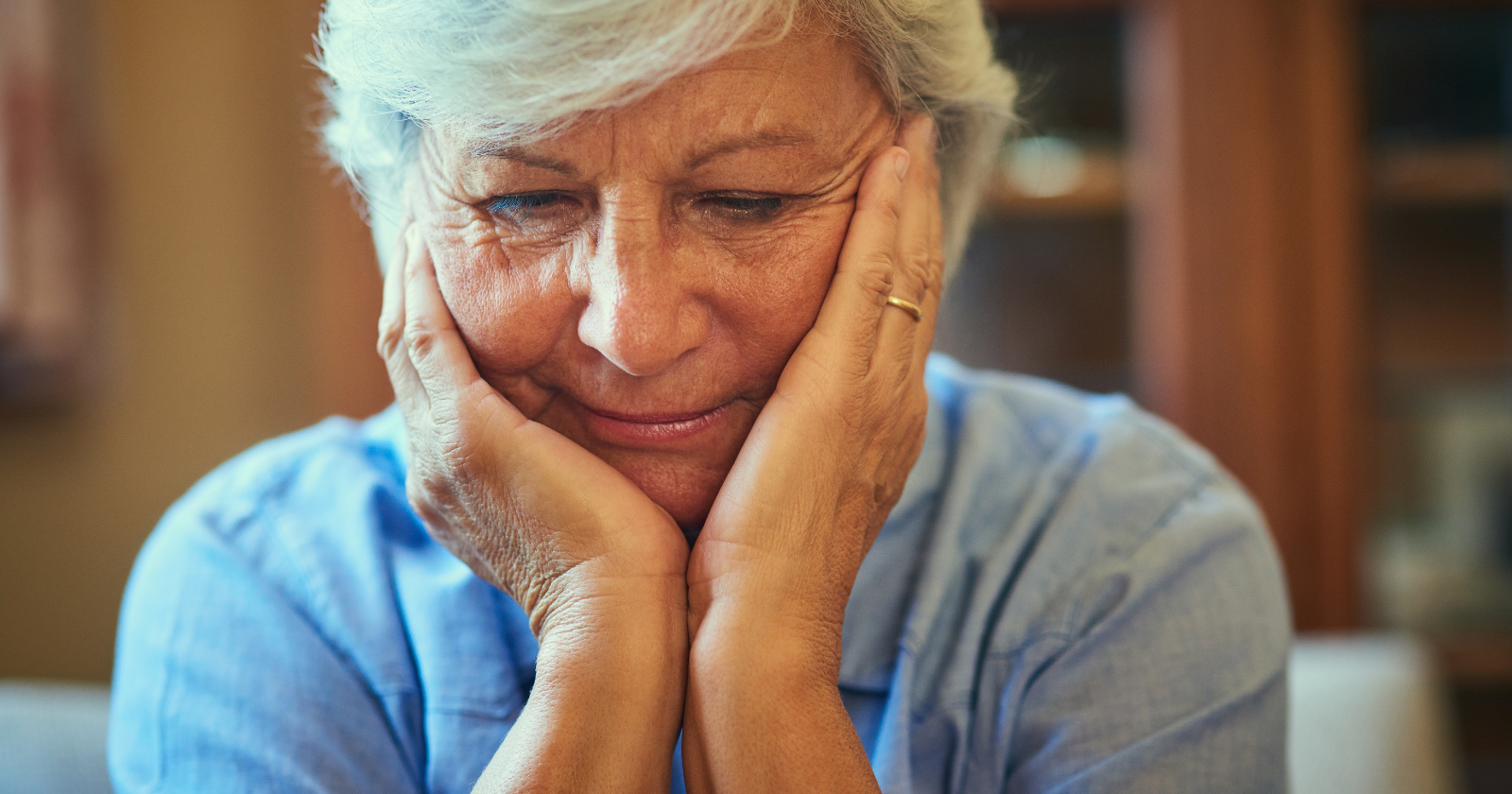
I’m 73 and I cried in the grocery store yesterday when a stranger asked if I was okay – and I realized it had been nine months since anyone asked me that question, and the kindness of being seen, even for thirty seconds, completely undid me

The fluorescent lights were too bright, the way they always are in supermarkets, making everything look slightly unreal. I was standing in the cereal aisle, holding a box of bran flakes and trying to remember if I already had one at home, when my vision started to blur. Not from age or illness, but from tears I didn’t even know were coming.
A woman, maybe forty, with tired eyes and a toddler in her cart, had simply touched my arm and asked, “Are you okay?”
That was it. Three words. And suddenly I was sobbing next to the Special K, completely undone by the smallest gesture of human kindness.
The weight of invisible days
Later, sitting in my car in the parking lot, I did the math. Nine months. That’s how long it had been since anyone had asked me that question. Not “How are you?” in passing, the way we all do without expecting an answer. But really asked, with eye contact, with genuine concern.
Nine months of mornings walking Poppy, my border terrier, at 7 AM sharp. Nine months of nodding at neighbors who hurry past. Nine months of perfectly pleasant transactions with cashiers and bank tellers who see right through me to the next customer.
When you’re 73 and living alone, invisibility creeps up on you like fog. One day you’re a person with opinions and stories and a full calendar. The next, you’re background furniture in everyone else’s busy life.
The pandemic taught us all about isolation, but there’s another kind that nobody talks about. The isolation of aging. Of watching your relevance fade like old photographs. Of becoming someone people are polite to but never really see.
How we disappear in plain sight
It started after I retired at 66. The phone calls dwindled. The lunch invitations stopped. I told myself it was natural, that work friendships often don’t survive without the daily proximity. But knowing something intellectually doesn’t make it hurt less.
My weekly calls with my sister became lifelines. Sometimes we talk for ten minutes about nothing. Sometimes two hours about everything. But even she lives three states away, and a voice on the phone can’t replace the simple comfort of being noticed by another human being in the same room.
I’m not talking about loneliness, exactly. Loneliness is active, sharp. What I’m describing is more like slowly becoming transparent. You go to the pharmacy and the young clerk looks past you to the next customer before you’ve even put your credit card away. You sit in waiting rooms and people choose seats far from you, not out of rudeness but because you’ve somehow become part of the furniture.
The grocery store incident made me realize I’d started making myself smaller to match how the world sees me. Speaking softer. Taking up less space. Apologizing for existing in the way.
The dangerous comfort of giving up
There’s a seductive ease to accepting invisibility. No one expects anything from you. No one judges your appearance or your choices. You can wear the same cardigan three days in a row and eat cereal for dinner and nobody cares.
But that freedom is also a trap. Because when nobody cares, when nobody sees you, you start to wonder if you actually exist at all.
I think about a breakdown I had years ago on the motorway. A stranger stopped, not just to help with the car but to make sure I was genuinely okay. He waited with me for the recovery service, made me laugh about his own car disasters, treated me like I mattered. It changed how I approach strangers, made me more willing to pause and really look at people.
But somewhere in these recent years, I stopped applying that lesson to myself. I stopped expecting to be seen, so I stopped making myself seeable.
What changes when someone really looks
That woman in the grocery store didn’t just ask if I was okay. She waited for an answer. When I started crying, she didn’t flee in embarrassment. She stood there, her toddler grabbing at candy bars, and she just let me cry.
“I know,” she said finally. “Some days are just hard.”
She didn’t try to fix anything. Didn’t ask for details. Just acknowledged that yes, sometimes life is difficult and yes, she could see that I was struggling and yes, that was okay.
The interaction lasted maybe thirty seconds total. But it cracked something open in me that had been sealed shut for months. The part that still believes I deserve to take up space, to be noticed, to matter to someone even if just for a moment.
Making ourselves visible again
Since that day in the cereal aisle, I’ve been thinking about visibility differently. Not waiting for it to be given to me but claiming it for myself.
I started small. Making actual eye contact with the coffee shop barista instead of staring at my phone. Asking the librarian for book recommendations instead of silently browsing. Commenting on a neighbor’s garden instead of just admiring it as I walk past with Poppy.
These aren’t revolutionary acts. But when you’ve been invisible for months, even saying “I love your roses” feels like shouting into the void.
The responses have surprised me. People light up when you really engage with them. They have stories about their gardens, opinions about books, questions about Poppy. All this connection was available the whole time. I just had to reach for it.
I’m learning that visibility isn’t just about being seen by others. It’s about seeing ourselves as worthy of being seen. About not pre-emptively erasing ourselves from the conversation.
This is what we owe each other
We live in a world that worships youth and productivity, that measures worth in Instagram followers and LinkedIn connections. Those of us who fall outside those metrics can easily convince ourselves we don’t matter.
But we do. Our stories matter. Our presence matters. Even our struggles matter, because they remind others that they’re not alone in theirs.
That stranger in the grocery store gave me an incredible gift with her simple question. Not just the gift of being seen, but the reminder that I’m still here, still human, still deserving of concern and connection.
Now I try to pass that gift along. I ask the elderly man at the bus stop how his day is going and actually wait for the answer. I notice when the woman at the post office seems tired and tell her I hope things get easier. Small gestures, barely visible, but sometimes that’s all it takes to make someone feel real again.
We’re all going to be invisible sometimes. Age will do it, or grief, or simply the overwhelming pace of modern life. But we don’t have to accept it as permanent. We can choose to see each other. We can choose to be seen.
And sometimes, if we’re very lucky, a stranger in a grocery store will remind us that we’ve been here all along.