

I’m 63 and I finally understand that true class was never about the car my father drove or the house we lived in – it was about the way he tipped waitresses who got his order wrong and never once made them feel small for it


My father died three years ago, and the church was packed. Not with important people or business connections, but with checkout operators, mechanics, the woman who ran the newsagency, two waitresses from the RSL who’d served him breakfast every Sunday for fifteen years. They all had stories. Not about his generosity with money, because he never had much, but about how he made them feel seen.
I spent most of my life thinking we were working class because we drove a twenty-year-old ute and lived in a fibro house with gaps under the doors that let the dust blow through during drought season. I thought class was something you could buy your way into if you just worked hard enough, saved enough, upgraded enough.
Took me until sixty to realize I had it completely backwards.
The lessons that stick come from watching, not from words
Growing up on a farm teaches you plenty about hard work, but it was the small moments with Dad that shaped who I became. He’d drive forty minutes to return extra change if a shopkeeper made a mistake in our favor. When the young bloke at the servo overfilled our tank and looked panicked about getting in trouble, Dad quietly paid for the extra petrol and told him not to worry about it.
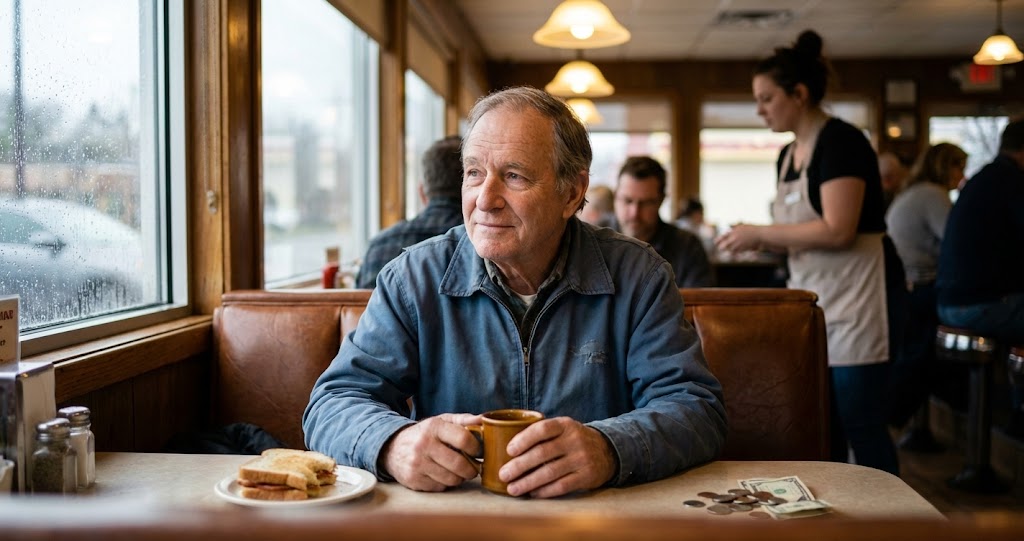
He tipped the same whether service was perfect or terrible. Actually, he tipped more when someone was clearly having a rough day. Never made a show of it, just left the money under his saucer with a nod and a “thanks, love.”
I remember being embarrassed once when a waitress spilled coffee on his good shirt before a wedding. I was maybe fourteen, mortified that everyone was looking. Dad just laughed, told her these things happen, and left her the biggest tip I’d ever seen him give. On the way out, he said the only thing that mattered was that she’d feel okay about her shift when she got home.
That stuck with me through forty-four years of nursing, through countless moments when I could have made someone feel small for their mistakes or their circumstances.
Real dignity has nothing to do with your bank balance
The divorce knocked me flat financially. Went from a double income to supporting two kids on a nurse’s wage, living in a rented unit where the hot water system worked when it felt like it. My daughters and I ate a lot of beans on toast that first year.
But I never forgot Dad’s example. Even when I was counting coins for groceries, I kept tipping. Not big amounts, just what I could manage. Because dignity isn’t about having money, it’s about how you treat people when you don’t have much to spare.
I see it differently now in the wealthy suburbs where I do home care. Some of my patients live in houses worth millions, drive cars that cost more than I earned in three years, but they’ll haggle with their cleaner over twenty dollars or speak to their gardener like he’s invisible. Then I have patients in housing commission flats who offer me tea and biscuits they probably can’t afford to share, who know their neighbor’s grandchildren’s names, who treat everyone who walks through their door like they matter.
Class isn’t something you can purchase. It’s something you practice.
The inheritance that actually matters
My daughters are adults now. One’s a teacher, one works in aged care. Neither makes much money, but both learned what I learned from watching Dad.
My eldest called me last week, told me about sitting with a student who’d wet himself because he was too scared to ask for a bathroom break during a test. She helped him clean up, found him spare clothes, never made him feel ashamed. She said she kept thinking about Grandad and the spilled coffee.
That’s the thing about real class. It gets passed down, but not through wills or trust funds. It gets passed down through thousands of small moments when you choose kindness over convenience, when you remember that everyone you meet is fighting some battle you know nothing about.
Learning what matters takes time
At sixty-three, I finally understand that Dad gave us everything that mattered. Not material things, though he would have if he could have. He gave us the knowledge that your worth isn’t measured by what you own but by how you make people feel when they’re around you.
I think about this during my shifts, especially with my dementia patients who sometimes say hurtful things they don’t mean. I think about it when I’m training new nurses who make mistakes that could have serious consequences. The power to make someone feel small is always there. The choice not to use it is what defines you.
Dad never lectured us about values or proper behavior. He just lived his life in a way that made everyone around him feel valued. The mechanic who fixed our ute for cost price when times were tough. The kid bagging groceries who he asked about school. The waitress who got his order wrong but still got the same tip and the same smile.
The view from here
I swim most mornings now, down at the ocean baths before my shifts. Sometimes I think about what I’d tell my younger self, the one who felt embarrassed by our old car, who thought class was something other families had and we didn’t.
I’d tell her to watch her father more carefully. To notice how he treats the person selling raffle tickets outside the shops, how he talks to the new doctor who misdiagnosed the cattle, how he never once used his size or his voice to intimidate anyone even when he had every right to be angry.
Most of all, I’d tell her that she’s already learning everything she needs to know about class. Not from books or lectures, but from watching a farmer in dusty boots treat every single person he meets with the same fundamental respect.
Three years since Dad died, and I still meet people who remember some small kindness of his. Not grand gestures, just the accumulation of daily decency. That’s the inheritance that matters. That’s the only upgrade worth pursuing. The rest is just stuff that ends up in garage sales anyway.