

Psychology says people born between 1945 and 1965 developed an internal sense of self-worth that didn’t require external validation — not because they were raised with better self-esteem practices, but because the culture they grew up in simply wasn’t watching, and a self that forms without an audience turns out to be considerably harder to destabilize than one built for one

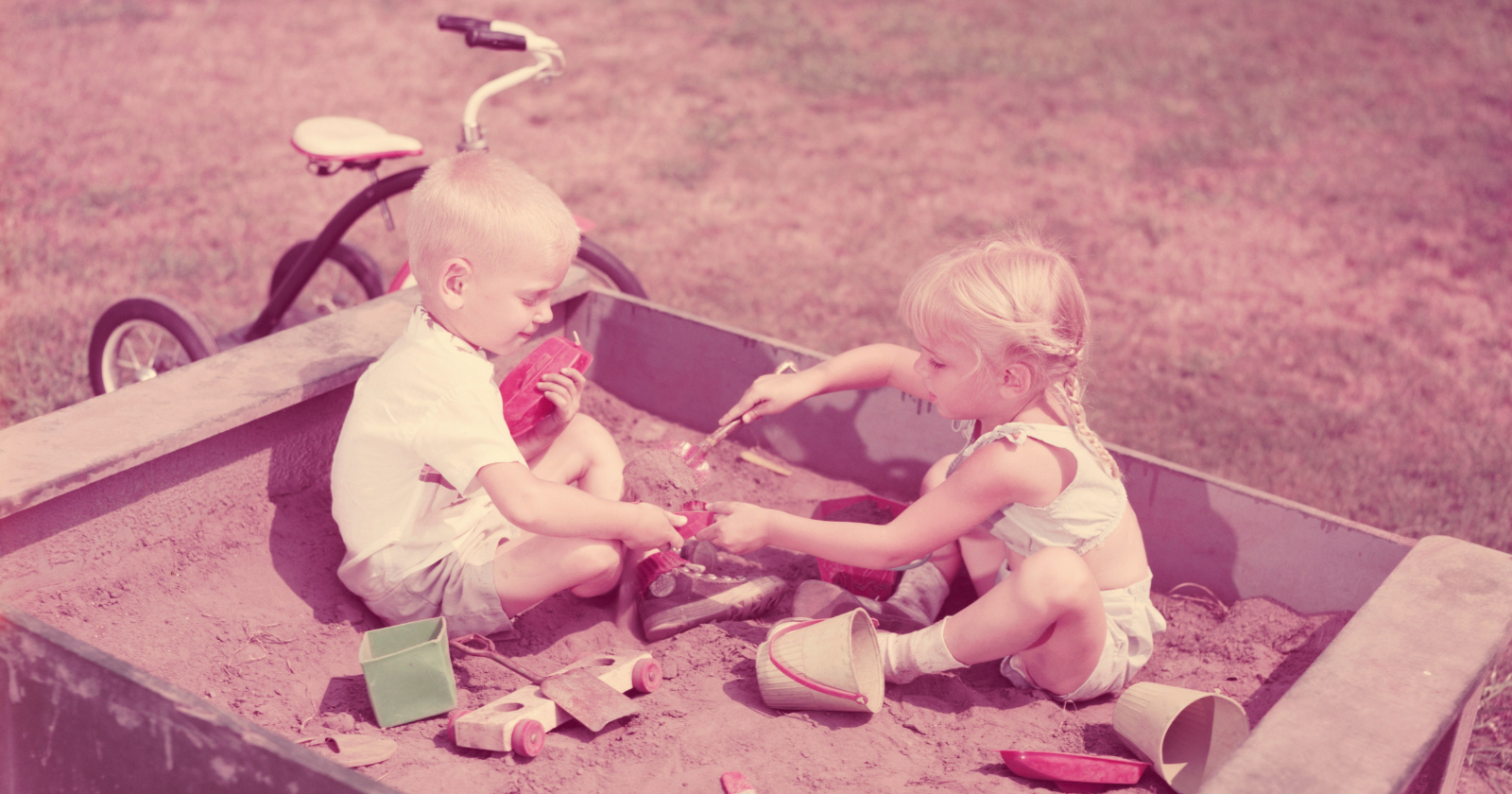

Ever notice how your parents or grandparents seem oddly unbothered by what people think of them? While younger generations anxiously refresh social media for likes and validation, folks born between 1945 and 1965 seem to possess an almost supernatural immunity to external judgment. They’ll wear that same jacket from 1987, tell you exactly what they think, and sleep like babies regardless of who approves.
There’s fascinating psychology behind this phenomenon. These generations didn’t develop stronger self-worth because of better parenting techniques or self-esteem programs. They developed it because nobody was watching. No Instagram. No Facebook. No constant digital audience keeping score of their every move.
I’ve been thinking about this a lot lately, especially after finding an old diary from my 20s. Reading through those pages, I was struck by how differently I thought about myself back then. Not better or worse necessarily, just… quieter. More internal. Less performative.
The invisible years that built unshakeable foundations
Think about what childhood looked like for someone born in 1950. You played outside until the streetlights came on. Your parents had no idea where you were for hours at a time. Your mistakes weren’t documented. Your awkward phases weren’t preserved in digital amber for eternity.
Dr. Kristin Neff puts it beautifully: “In a culture that often celebrates perfection and constant self-improvement, the generations raised in the 1960s and 1970s have a unique perspective on self-esteem.”
This perspective wasn’t cultivated through workshops or affirmations. It developed organically in the absence of constant observation. When you’re not performing for an audience, you develop a relationship with yourself that’s fundamentally different. More honest. More stable. More yours.
Growing up as the middle child of five in a working-class family in Ohio, I remember long stretches of being completely unsupervised. Not neglected, just… free to figure things out without commentary. We’d build forts, have arguments, make up, fail at things, succeed at others, all without a single adult weighing in or documenting the process.
When self-worth comes from within, not from likes
Here’s something that might surprise you: Jennifer Crocker’s research found that individuals who pursue self-esteem based on external contingencies like appearance, competition, and approval from others are more likely to develop depressive symptoms. Meanwhile, those who base their self-worth on internal contingencies show fewer depressive symptoms.
The generation that grew up without social media accidentally stumbled into this healthier model. They couldn’t chase likes because likes didn’t exist. They couldn’t compare themselves to influencers because influencers weren’t a thing. Their self-worth had to come from somewhere else.
Remember when accomplishments were private? I won “Employee of the Month” exactly once in my 35-year career. Once. And you know what? It taught me everything I needed to know about external validation. The recognition felt good for about a week, then life went back to normal. The real satisfaction came from knowing I’d done good work, regardless of who noticed.
Abraham Maslow argued that “Self-esteem allows people to face life with more confidence, benevolence, and optimism, and thus easily reach their goals and self-actualize.” But here’s the twist: the kind of self-esteem he was talking about wasn’t built on a foundation of constant praise and recognition. It was built on genuine accomplishment and self-knowledge.
The surprising strength of an unwitnessed life
Do you ever wonder why your dad can fix things without YouTubing it first? Or why your mom can cook without photographing every step? They developed competence without documentation. They learned skills without broadcasting their learning process.
Dr. Kristin Neff notes: “By cultivating a sense of self-acceptance and self-compassion, these individuals are able to navigate the ups and downs of life with greater resilience and emotional stability.”
This resilience wasn’t built through positive thinking exercises. It was built through experiencing life without a constant chorus of commentary. When you fail privately, you learn to pick yourself up privately. When you succeed privately, you learn that success itself is the reward, not the recognition.
My family didn’t have much money growing up, but we always had Sunday dinner together. No phones at the table (they didn’t exist). No photos of the food. Just conversation, arguments, laughter, and connection. The memories we built weren’t for anyone else. They were just for us.
Why an audience changes everything
Research on implicit self-esteem shows that individuals with positive self-evaluations tend to have favorable associations with self-related objects, influencing their behavior and well-being. But here’s what’s interesting: this automatic, unconscious evaluation process develops differently when you’re constantly performing for others.
When every moment is potentially public, you start editing yourself before you’ve even formed a complete thought. You consider the optics before considering your actual feelings. You curate rather than experience.
The generation that formed their identity without an audience didn’t have this problem. They could be weird, make mistakes, change their minds, and grow without worrying about their “personal brand.” They could just be.
I’ve learned to accept compliments gracefully instead of deflecting them, something that took decades to master. But you know what’s harder for younger generations? Accepting criticism or even indifference. When you’re used to constant feedback, silence feels like rejection.
What we lost when we started performing ourselves
Julia Friederike Sowislo’s work shows that “Self-esteem has been associated with several mental health conditions, including depression, anxiety, and eating disorders.” The constant performance of self that social media demands seems to be making these associations stronger, not weaker.
The irony is thick here. We have more tools than ever to build self-esteem, more positive affirmations, more likes and hearts and thumbs up. Yet anxiety and depression rates keep climbing. Maybe the problem isn’t that we need more validation. Maybe it’s that we need less audience.
Those born between 1945 and 1965 didn’t set out to develop bulletproof self-worth. They just lived in a world where your business was your business, your failures were yours to learn from, and your successes didn’t need to be broadcast to count.
Final thoughts
The hardest truth about self-worth is that it can’t be given to you by others. It has to grow from within, in the quiet spaces where nobody’s watching. The generation that came of age before social media got this gift by accident. They formed themselves without an audience, and that made all the difference.
Maybe we can’t turn back the clock, but we can turn off the cameras once in a while. We can have experiences without documenting them. We can fail without apologizing to our followers. We can succeed without announcing it.
The self that forms without an audience might be quieter, but it’s also stronger. And in a world full of noise, that quiet strength is becoming the rarest commodity of all.