Blog

Most people who have no close friends would never describe themselves as lonely — and these 9 coping mechanisms explain how they’ve learned to reframe isolation as independence

They’ve mastered the art of transforming empty Friday nights and silent phones into badges of honor, using psychological strategies that would make most therapists raise an eyebrow—but their methods reveal uncomfortable truths about modern connection that might change how you view your own friendships.


Read More »

People whose face looks older than their actual age VS people whose face looks younger aren’t just genetically different — research suggests the difference often traces to whether they spent decades metabolizing resentment they couldn’t express or were given permission to feel things in real time, and the face eventually reflects the cost of whichever path they were assigned

Your face is keeping a diary you never agreed to write — and the entries are more honest than you’d like. The autobiography no one

Read More »

Research suggests adults raised by selfish parents carry a specific kind of confusion into every relationship — they struggle to distinguish between love and being needed, because the only version of closeness they experienced was one where their value was measured by what they provided, and the question “do they love me or do they love what I do for them?” runs on a loop that never fully resolves because the original data was corrupted at source

There’s a question that lives quietly in the background of a lot of adult relationships. It doesn’t always announce itself. It doesn’t show up as

Read More »
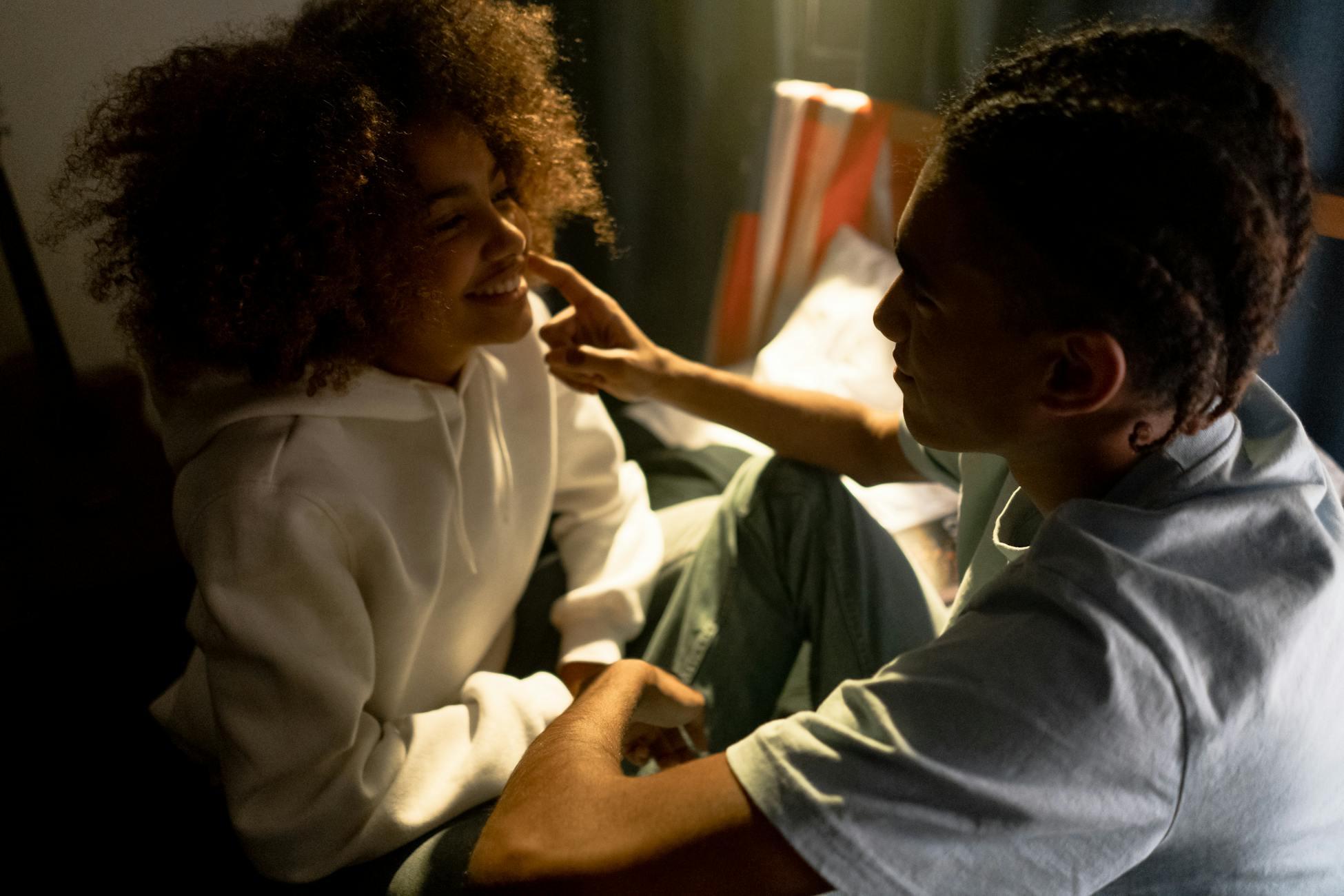
A loving couple sharing a romantic moment indoors, with warm lighting.

Psychology says the reason reverse age gap relationships are rising isn’t about older people chasing youth — it’s because younger people are increasingly attracted to emotional availability over earning potential, and that shift is rewriting the entire power structure of modern dating

The youngest generation of daters isn’t chasing status or stability — they’re chasing the thing their overstretched, emotionally unavailable parents never modeled: someone who can actually sit with them in a feeling.

Read More »

Most people who have no close friends would never describe themselves as lonely — and these 9 coping mechanisms explain how they’ve learned to reframe isolation as independence

They’ve mastered the art of transforming empty Friday nights and silent phones into badges of honor, using psychological strategies that would make most therapists raise an eyebrow—but their methods reveal uncomfortable truths about modern connection that might change how you view your own friendships.

Read More »

People whose face looks older than their actual age VS people whose face looks younger aren’t just genetically different — research suggests the difference often traces to whether they spent decades metabolizing resentment they couldn’t express or were given permission to feel things in real time, and the face eventually reflects the cost of whichever path they were assigned

Your face is keeping a diary you never agreed to write — and the entries are more honest than you’d like. The autobiography no one

Read More »

Research suggests adults raised by selfish parents carry a specific kind of confusion into every relationship — they struggle to distinguish between love and being needed, because the only version of closeness they experienced was one where their value was measured by what they provided, and the question “do they love me or do they love what I do for them?” runs on a loop that never fully resolves because the original data was corrupted at source

There’s a question that lives quietly in the background of a lot of adult relationships. It doesn’t always announce itself. It doesn’t show up as

Read More »
A loving couple sharing a romantic moment indoors, with warm lighting.

Psychology says the reason reverse age gap relationships are rising isn’t about older people chasing youth — it’s because younger people are increasingly attracted to emotional availability over earning potential, and that shift is rewriting the entire power structure of modern dating

The youngest generation of daters isn’t chasing status or stability — they’re chasing the thing their overstretched, emotionally unavailable parents never modeled: someone who can actually sit with them in a feeling.

Read More »