

At 70, I have less tolerance for people’s intransigence and more compassion for why they make mistakes, and that paradox is the most peaceful I’ve ever felt

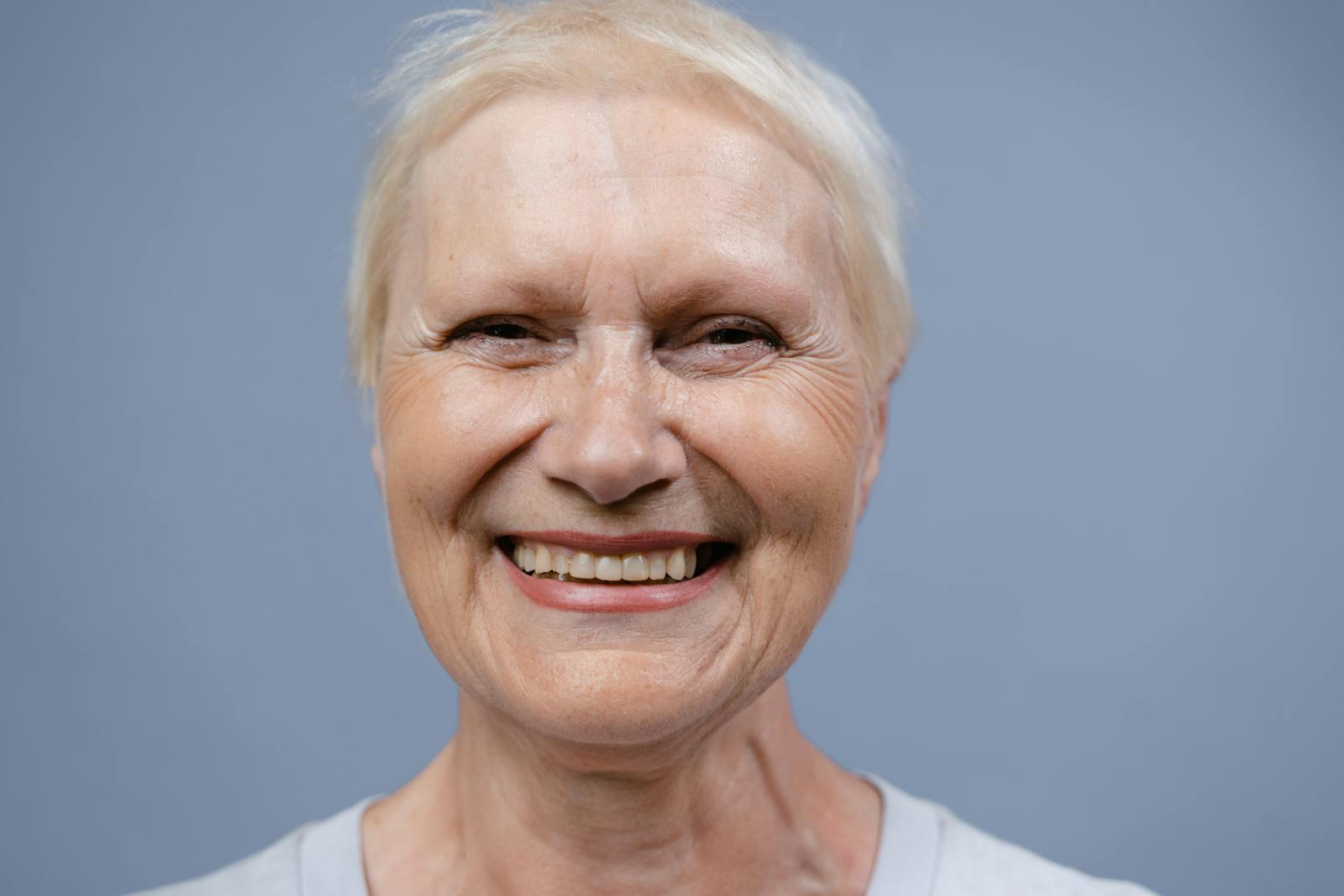

I recently ran into Margaret at a coffee shop in Park Slope—she’s my former neighbor’s mother, someone I’d exchanged pleasantries with maybe three times over five years. But this time, she seemed different. Lighter somehow. We ended up talking for forty minutes, and she said something that’s been rattling around in my head ever since: “I don’t have the energy to pretend anymore, and it turns out that’s made me kinder.”
Margaret is 70. She’s lived in Brooklyn for forty-three years, raised two kids, worked in nonprofit administration, and spent the first six decades of her life doing what most of us do—managing her tolerance for other people’s particular brands of nonsense. The impatience. The small deceits. The self-centeredness masquerading as concern. The constant, exhausting performance.
But somewhere around her late sixties, something shifted. She stopped spending emotional currency on fixing people who didn’t ask to be fixed. She stopped pretending to be interested in conversations that bored her. She stopped managing other people’s feelings about her boundaries. And here’s the paradox that kept her awake some nights, she told me: the less patience she had for people’s nonsense, the more she understood why they were full of it.
The Unraveling of Pretense
What Margaret described isn’t unusual—it’s actually a well-documented shift that happens to people as they age. Researchers have found that older adults show what’s called “emotional selectivity,” a tendency to prioritize meaningful interactions and let go of relationships or situations that drain them. But what’s interesting isn’t just the letting-go part. It’s what happens underneath.
Margaret used to take things personally. If someone was dismissive of her opinion in a meeting, she’d spend the evening constructing elaborate arguments in her head about why she was right. If a friend forgot her birthday, she’d wonder what she’d done wrong. If her boss took credit for her work, she’d feel a hot, specific kind of rage that would simmer for weeks.
Now? She still notices when people are unkind or dishonest. But the noticing has separated itself from the taking. “I see a person being cruel to a barista, and instead of thinking ‘what a jerk,’ I’m thinking about what kind of morning that person must have had, or what they’re afraid of, or what they’re not getting that they desperately need,” she explained. “And I’m not okay with their behavior. I just understand it.”
This is the shift that nobody really talks about when they talk about getting older. It’s not that you stop caring. It’s that you start seeing other people’s behaviors as symptoms instead of character flaws. You’ve lived long enough to know that people rarely behave badly in a vacuum. They’re almost always responding to something—insecurity, scarcity, unmet needs, unprocessed pain.
The Paradox of Wisdom
What Margaret described to me aligns with research on what psychologists call the “positivity effect”—the tendency for older adults to focus on emotionally meaningful information while filtering out negative or irrelevant information. But more than that, older adults tend to develop what researchers call “wisdom,” which isn’t about knowing more. It’s about knowing better how little you actually control and how complicated everyone’s inner lives are.
The tolerance she was losing wasn’t the tolerance that comes from patience or from swallowing your own needs. It was the tolerance that comes from confusion. For decades, Margaret had been operating under the assumption that if she just understood people better, managed herself better, said the right things in the right tone, she could influence how they treated her and what they thought of her. It took sixty-plus years to realize that this assumption was exhausting and largely fictional.
Margaret gave me an example. Her younger brother had always been competitive with her, always trying to one-up her accomplishments or make her feel small. For years, she’d spent energy trying to be less threatening, or trying to make him feel better about himself, or trying to prove that she wasn’t the person he seemed to think she was.
Now she sees that his competitiveness has nothing to do with her and everything to do with whatever he’s been carrying around since childhood. “I can see it without taking it on. I can even feel bad for him, because it must be lonely, always comparing, always competing. And I can also just not engage with it.”
The Freedom of Not Having To Care
This is what struck me most about Margaret’s version of getting older: the freedom that comes from finally being able to say “this is not my problem to solve.” Not in a cold way, but in a clear way. She’s not responsible for making other people comfortable or managing their perceptions of her or healing their insecurities. She never was. But it took seventy years for her body and mind to stop trying.
Research on emotional regulation in older adults shows reduced activity in brain regions associated with negative social information processing, while maintaining or even increasing capacity for compassion and understanding. It’s as if your brain finally gets smart about what deserves your neurological real estate.
Margaret has started saying no to things she doesn’t want to do. She’s set boundaries with family members. She’s stopped pretending to like people she doesn’t like. And the people around her—the ones who matter—seem to appreciate her more for it.
Compassion Without Complicity
What’s interesting about this shift is that it’s not a move away from compassion. If anything, it’s a move toward a more mature version of it. People who have developed real inner strength recognize truths about human nature that status-obsessed people miss—and one of those truths is that most people are doing the best they can with the emotional resources they have.
But Margaret was clear about one thing: understanding why someone is difficult doesn’t mean you have to tolerate the behavior. It doesn’t mean you have to keep them in your life. It doesn’t mean you have to absorb their behavior or make excuses for it. It means you can see the whole picture—the hurt underneath the harm—without being responsible for fixing it.
She sent me an article a few days after we talked, something about how older adults stop needing to feel appreciated by their children once they understand the difference between being loved and being valued. It was a bit melancholic, but also liberating. The realization that you can be loved and still have your contributions overlooked—and that this says nothing about your worth.
The Peace of Seeing Clearly
Margaret said something else that has stayed with me: “I think I’m more peaceful now because I’ve stopped trying to control what I can’t control, and I’ve stopped pretending that I can control what I actually can’t.” She was talking about other people, but also about herself—her aging body, her changing circumstances, the fact that the world doesn’t revolve around whether people appreciate her or understand her or see her the way she’d hoped.
As I was leaving the coffee shop, Margaret said: “You’ll get here too. And it’s okay. It’s actually kind of great.” I asked what she meant. “The part where you stop performing for people and start just living. The part where other people’s drama stops being your responsibility. The part where you can see someone being awful and think, ‘oh, that person is suffering,’ instead of ‘oh, that person is terrible.’”
She was right. It does sound great. And judging by the lightness in her voice and the directness in her eyes, I think she meant it.