
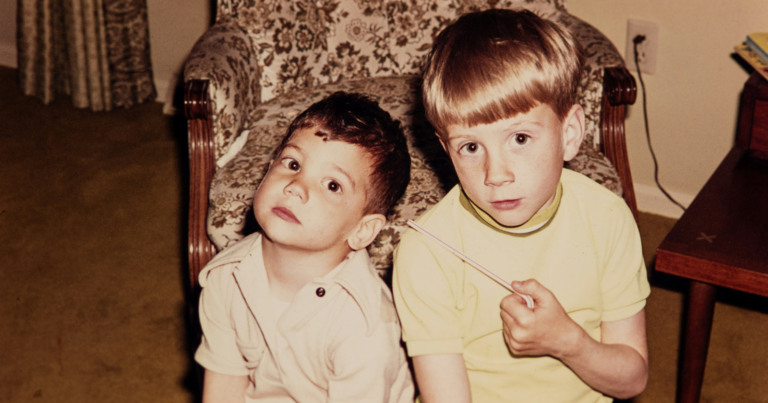
What unsupervised play may teach children about handling disagreement
The adults who stepped back—whether by choice or circumstance—raised kids who had to negotiate their own conflicts, and now that generation talks to each other differently.
The hardest part of communication is often not grammar, but saying what we really mean in a way others can understand. These articles explore conversation, tone, phrasing, conflict, boundaries, and the everyday patterns that shape how people connect, misunderstand, and express themselves.
The adults who stepped back—whether by choice or circumstance—raised kids who had to negotiate their own conflicts, and now that generation talks to each other differently.

Drowning your reader in context isn't generosity—it's abdication of the harder work: deciding what actually matters.

The loneliest people are often those who spent decades giving so generously that no one ever learned to give back.

The difference between overwhelmed writers and improved ones often comes down to what editors choose to ignore.

Evidence on readability and processing fluency supports concise workplace writing, without establishing a ranking of the most trusted communicators.

An easygoing manner can sometimes conceal unspoken needs and loneliness, but it does not reveal a person’s childhood or attachment history.