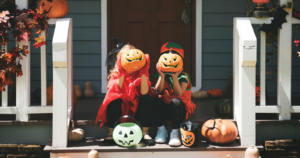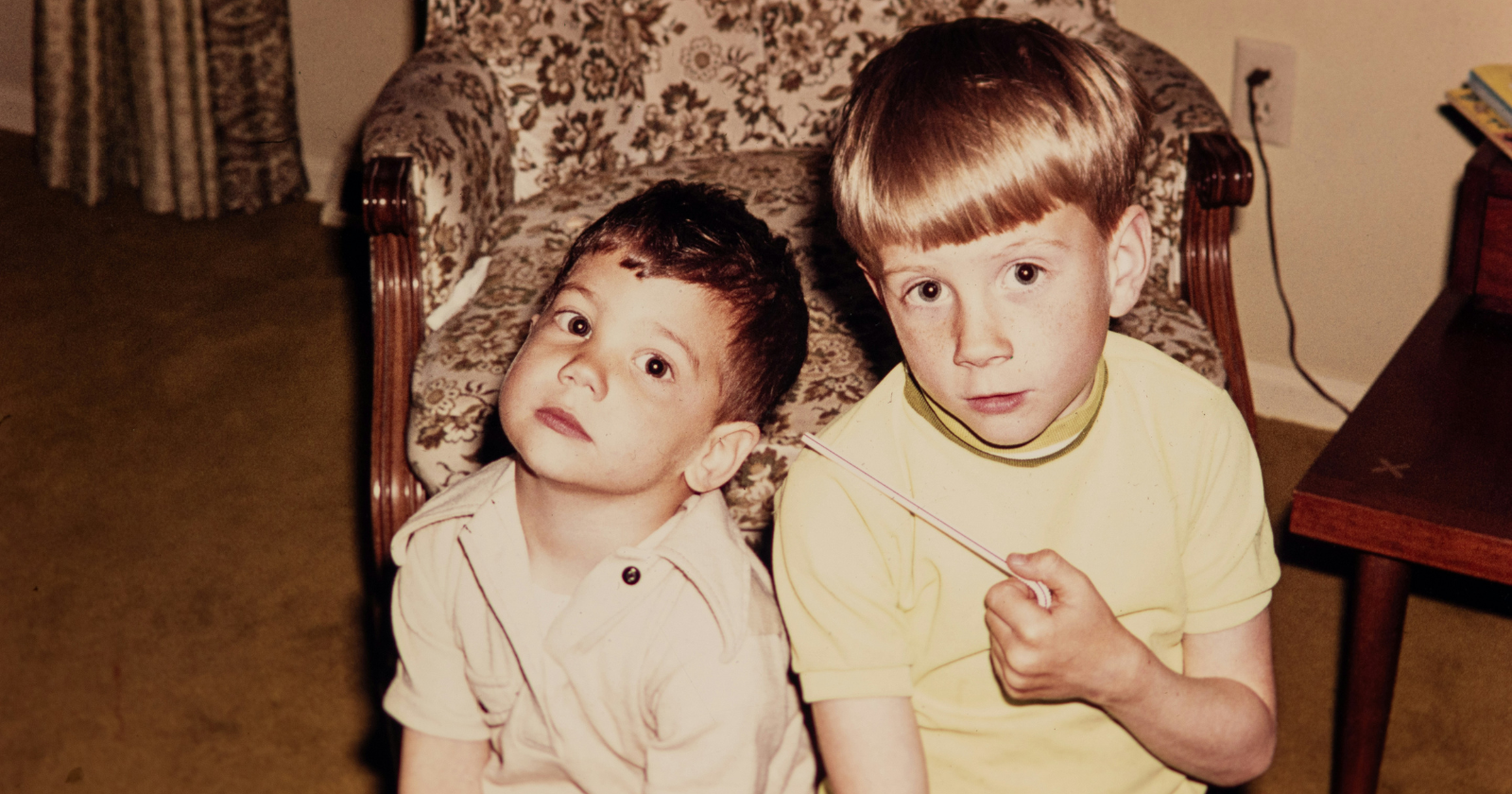
Two kids get into it on a playground. In one version of this scene, the argument runs its course between the two of them: a shove, a shouted accusation, a grudging apology, and then a return to the game within the hour. In another version, an adult is crouched between them within thirty seconds, narrating each child’s feelings back to them and brokering a resolution before either one has had the chance to say what they actually think.
Both scenes are common. The difference is which one was rare a few decades ago and which one is rare now. Somewhere in between those two scenes, an entire skill either got practiced or it didn’t, and which version a person grew up with says a lot about how they handle conflict as an adult.
The playground without a referee
Kids who grew up in the decades before adult-supervised childhood became the norm spent long, unstructured stretches of time with other kids and no adult in earshot. Boston College psychologist Peter Gray, who has spent his career studying the effects of unsupervised play, has pointed out that this time mattered for reasons beyond simple fun. It was where a specific kind of learning happened, the kind that only shows up when nobody is available to smooth things over. As Gray put it, kids in that kind of free play “learn how to negotiate with their playmates, deal with disagreements” without an adult stepping in to settle things for them.
The sociologist Markella Rutherford documented how recently this changed. In her book Adult Supervision Required, she traced advice columns and parenting magazines across the 20th century and found that independence, not supervision, was the dominant recommendation through the 1950s. Kids were expected to walk themselves to school, settle their own squabbles, and generally sort out the friction of daily life without a parent narrating the process. That expectation didn’t erode gradually and quietly. Rutherford’s research shows the shift picked up speed specifically in the 1980s, when the same behaviors that had once been treated as ordinary started reading as neglectful.
The playground with a referee
Compare that to what gets measured today when researchers study parental over-involvement. One of the specific behaviors researchers use to identify what’s now called helicopter parenting is, quite literally, parents intervening to resolve peer arguments on their child’s behalf. That’s not a side effect of the phenomenon. It’s one of the defining items on the checklist.
This isn’t limited to toddlers on a playground. The pattern continues into the group chats, the roommate conflicts, and even the early-career disagreements of children who are now young adults, where a parent’s instinct to step in and smooth things over often follows them well past the age when a playground scuffle would have been the setting. A young person who asks a parent to sort out a scheduling conflict with a roommate, rather than raising it directly, is working through the exact dynamic Gray described, just relocated from a sandbox to a dorm room. Whatever the original intention behind that instinct, a generation of kids has grown up with far fewer unsupervised opportunities to work out a disagreement from start to finish on their own.
What direct communication actually requires
Direct communication works less like a personality trait and more like a skill built through repetition, specifically the repetition of being stuck in a disagreement with no one else available to fix it. Every time an adult stepped in, absorbed the friction, and translated the disagreement into terms both kids could accept, the two children involved got a smoother outcome in that moment. But they also lost a rep. They didn’t have to find the words themselves, sit in the discomfort of an unresolved conflict, or discover that saying the blunt thing out loud usually works better than expected.
A generation that grew up without that safety net didn’t necessarily communicate better because they were braver or more socially gifted. They communicated more directly because the alternative, staying quiet and hoping someone else would fix it, simply wasn’t on the table. Nobody was coming. The skill got built by necessity, the same way any skill gets built when there’s no substitute for practicing it yourself.
What gets lost when someone else always steps in
This isn’t an argument that today’s more involved parenting comes from anywhere but genuine care. Research on the outcomes tells a more complicated story, though. A large-scale analysis pooling data from 53 separate studies and more than 46,000 emerging adults found that higher levels of parental over-involvement were consistently associated with lower self-efficacy and weaker regulatory skills once those kids reached their college years. The correlations were modest and the design was mostly cross-sectional, so this isn’t proof that one causes the other. But the pattern held up across dozens of independent samples, which is difficult to write off as noise.
Read alongside Gray’s account of what unsupervised conflict used to teach, the throughline is hard to miss. The skill of working something out directly with another person doesn’t show up automatically at eighteen just because it’s suddenly needed. It has to have been practiced somewhere first, usually somewhere small and low-stakes, like a playground with no adult close enough to hear.
Final thoughts
None of this means every argument a child has needs to be left entirely unsupervised, or that a parent stepping in occasionally is doing lasting damage. Plenty of situations genuinely call for an adult, especially when there’s a real safety concern or a power imbalance a child can’t be expected to navigate alone. But there’s a real difference between a generation that had to find its own words in the middle of a disagreement, over and over, until it became second nature, and one that mostly didn’t get the repetition. The first group learned to communicate directly for a fairly unglamorous reason: nobody else was going to do it for them, so they did.